The BBC is embroiled in an ongoing crisis that deepens with the departures of Tim Davie and Deborah Turness from an already unstable leadership that was already shaken by the backlash from a corrected Donald Trump speech. Now accusations of editorial bias, political influence, and disarray have swamped the UK’s public broadcaster.
Tim Davie and Deborah Turness: two key figures exit the BBC
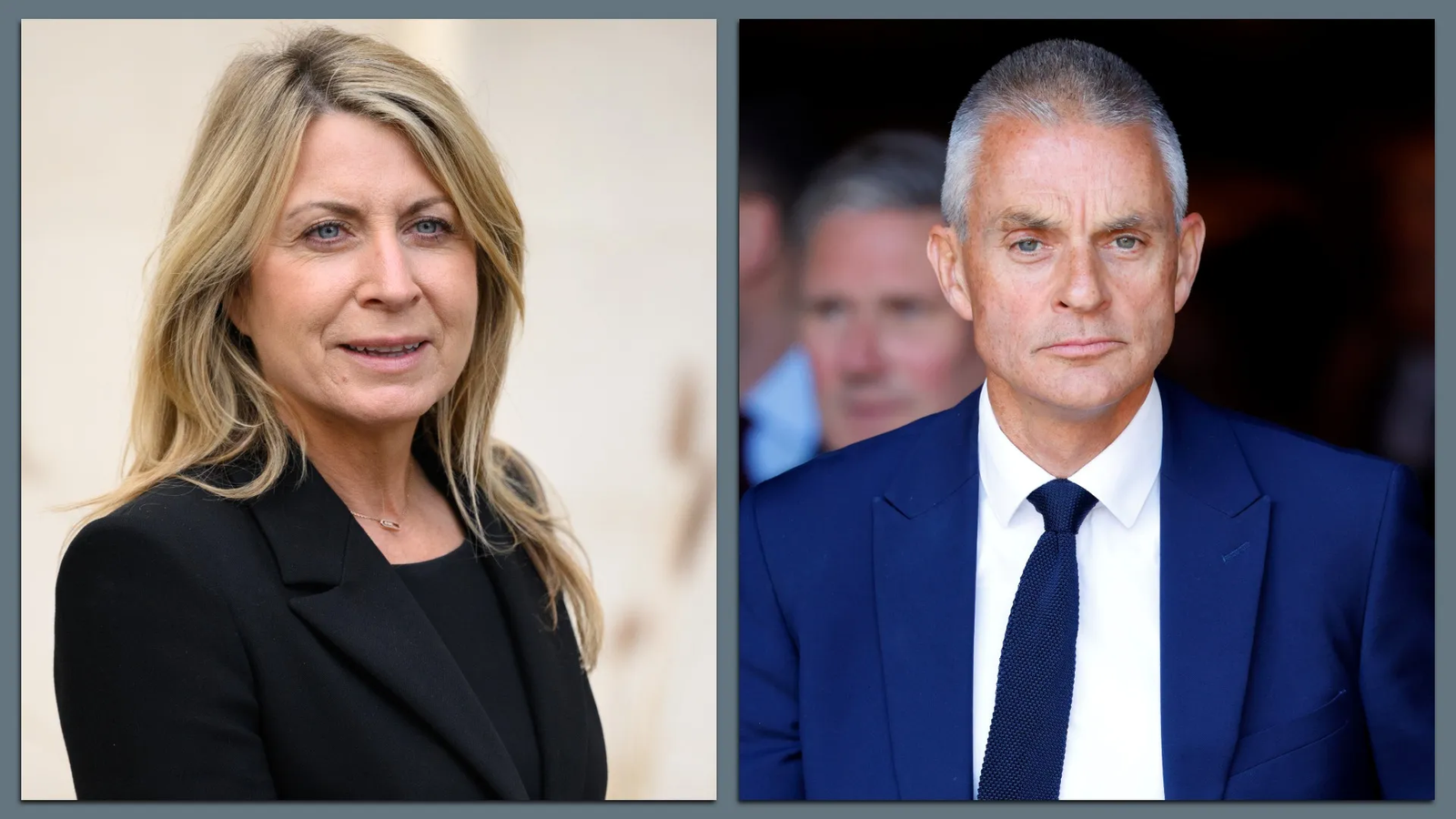
The organization’s upheaval was heightened by the resignation of two of its most influential leaders, Director General Tim Davie and the CEO of BBC News Deborah Turness. Davie, who was the 17th person to hold the BBC’s top job, had presided over all TV, radio and digital output since 2020. A veteran of the corporation since 2005, Davie was also acting DG with a particular interest in leading a number of internal inquiries.
Turness had come to portray a liberalising force in the newsroom. With senior positions at NBC News and chief executive of ITN, she became the head of BBC News from 2022, bringing with her a personal international reputation. The dual withdrawal of Davie and Turness—in conjunction with growing scrutiny of the Trump-edit scandal—has led to the BBC facing one of their most severe reputational crises in years.
The “Trump-edit” at the centre of the BBC’s credibility crisis
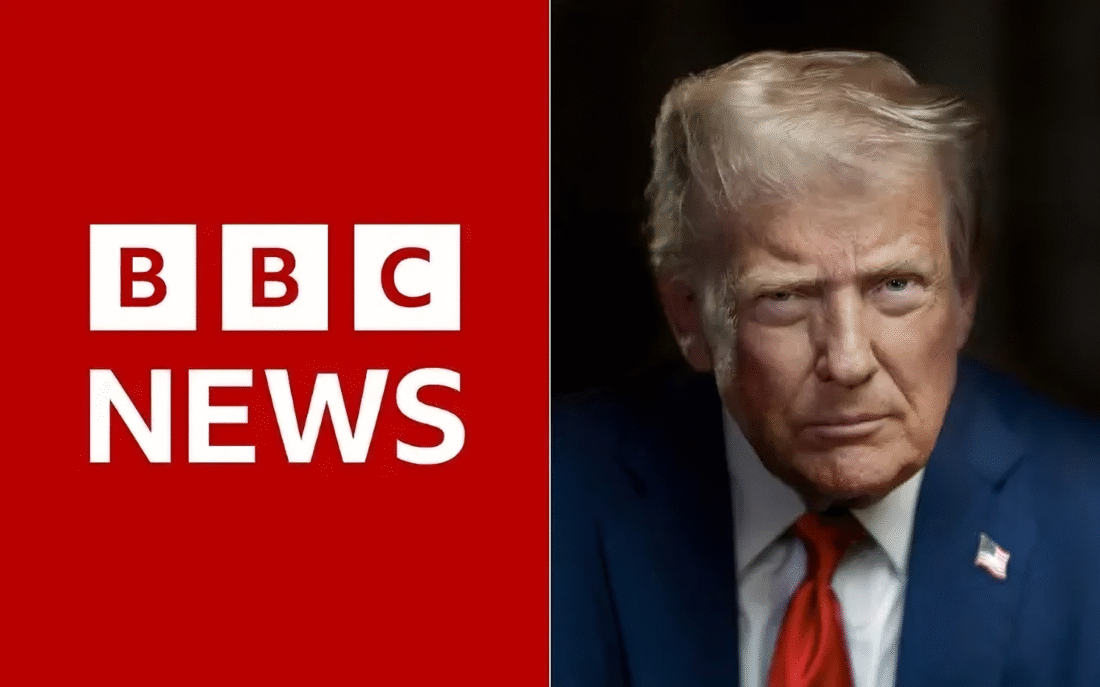
The controversy began when a Panorama episode showed a controversial cut of Donald Trump’s January 6 speech. The Telegraph reported that the edit pulled footage from different parts of Trump’s address to imply that he encouraged the Capitol riot. The edit triggered a political and legal storm, and Trump’s self-appointed legal team reportedly threatened to sue the BBC for $1 billion unless the corporation retracted the segment, issued an apology, and paid compensatory damages. The White House has also reportedly criticized the edit as “misleading.”
The situation escalated after an internal audit revealed that Newsnight had publicly broadcast a modified Trump clip. Samir Shah, the BBC chair who will appear before the UK Parliament’s Culture, Media and Sport Committee, acknowledged that the 2024 Panorama Edit should never have aired.” The uproar now raises even deeper concerns about the corporation’s editorial independence and places additional pressure on an already strained leadership in the wake of Davie and Turness’s resignations.
Neutrality under fire: the BBC’s long-running challenge
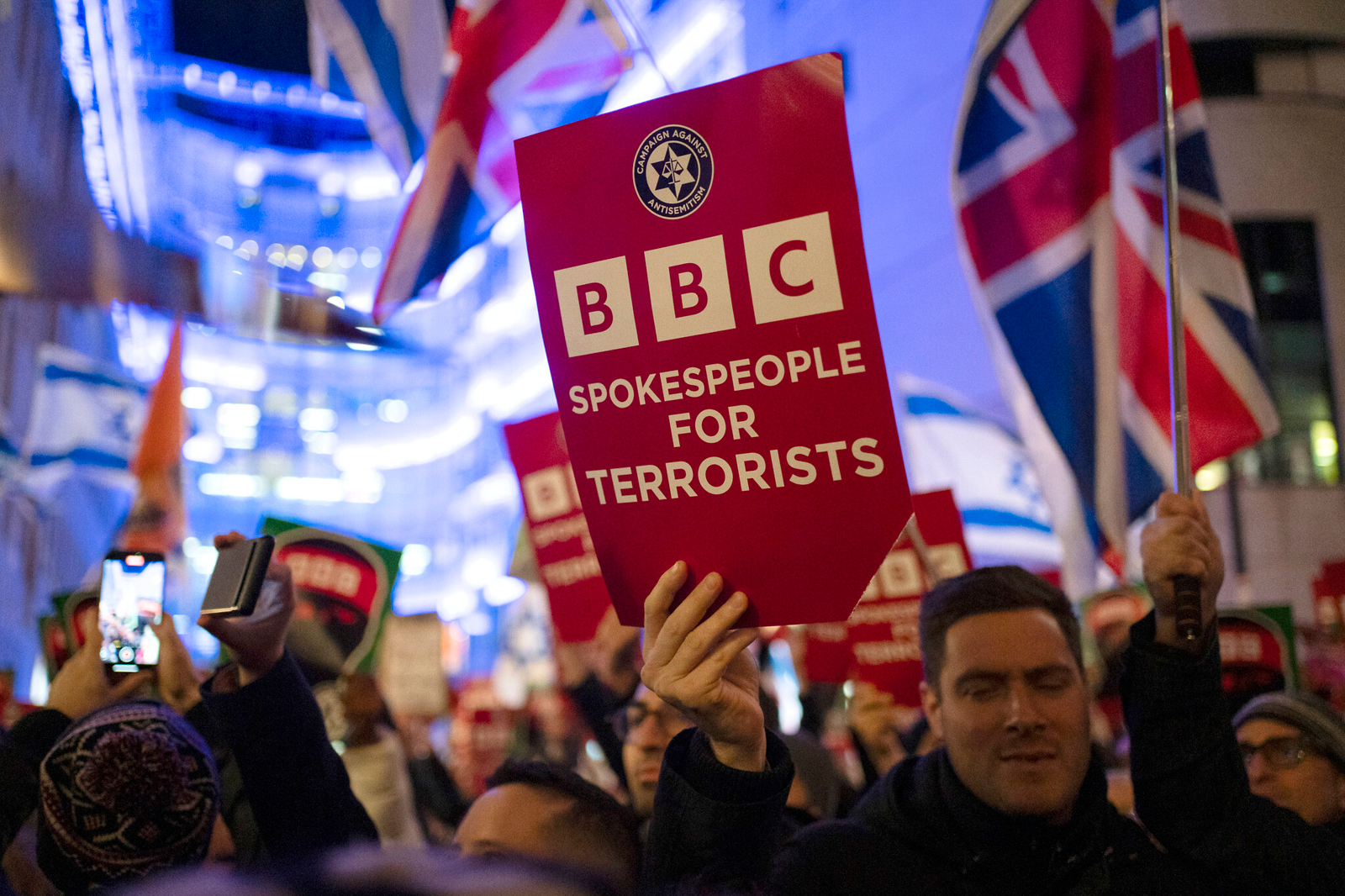
Doubts over the BBC’s impartiality go back much further than the exits this month. The corporation had been under increased scrutiny since 2020, when it implemented stricter prohibitions on journalists opining on so-called “political” issues. This was problematic for a number of reasons, most controversially because LGBT+ rights made the cut.
An internal memo circulated to The Times subsequently called out the broadcaster for a “deep and systemic partiality” regarding its coverage of Donald Trump specifically. Commentator Prescott provided some background, noting that producers were speaking favorably about work they did on a very small moment in the Trump – Harris debate, but that they were being critical of what happened in the studio afterwards. The memo said that the BBC coverage was just like Fox News coverage.
These impartiality guidelines that Davie actually believed would engender trust were met with a backlash from within the BBC itself. LGBTQ+ staff and staff of colour warned that the prohibitions may even prevent them from attending events like Pride or Black Lives Matter protests. Moreover, the BBC’s coverage of the Israel-Palestine conflict led to accusations of being too willing to parrot the government narrative. The combination of the memo concerning the dispute over the Trump-edit and the Israel-Palestine coverage created a potent mix that fed directly into questions over organizational leadership.
Dual resignations deepen the BBC’s instability
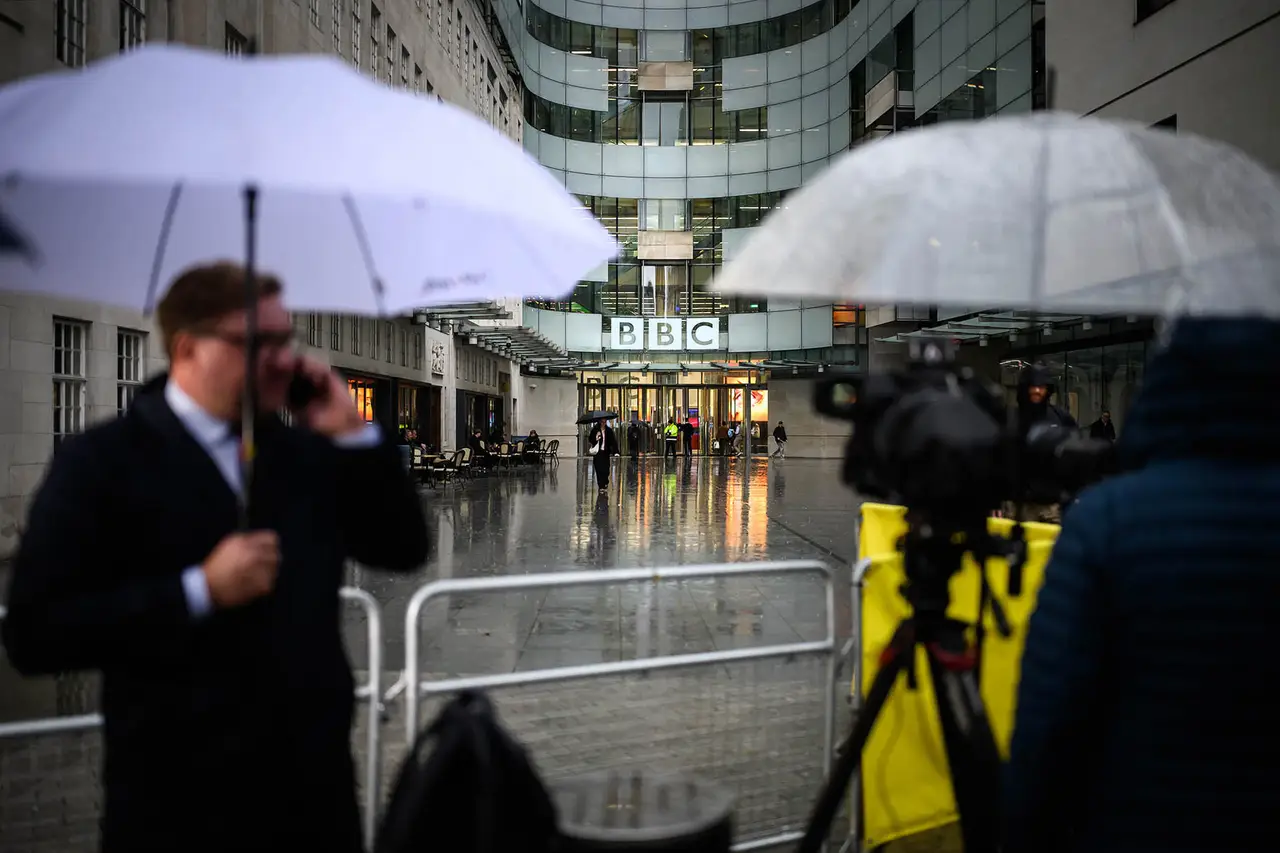
The exit of Tim Davie and Deborah Turness signifies a turning point for the BBC. The two senior figures resigned amid a heightened backlash against a Panorama edit of Donald Trump, which critics argue misrepresented Trump’s statements. While Davie stated the choice was his with no external influence, the editors’ resignation arrives just days after more serious accusations of structural bias around coverage on Donald Trump, Gaza, and trans issues. Turness resigned the next day, reportedly under significant pressure internally for the way she managed editorial oversight of the newsroom.
Some sources called at least one of the departures a “quiet coup,” suggesting that the resignations aimed to placate critics—even though, just a week earlier, the BBC had raised its profile by boasting about its record-breaking 12 million viewers for the ever-popular Celebrity Traitors. The leaked internal memo, which exposed severe editorial biases and the embarrassment surrounding the Trump-Edit, directly triggered the departures of Davie and Turness. The preparation for a change of guard also came against the backdrop of a rapidly deteriorating story around the BBC’s leadership, in particular, the speed which Davie and Turness’s two senior public servants fell.
The resignations of Tim Davie and Deborah Turness, exemplify a BBC under considerable strain due to lapses in editorial judgement, and sustained allegations of bias. As the further scrutiny of BBC accountability continues, mistakes that erode trust and confidence in public broadcasting will not only raise concerns about the ability of journalists, but public confidence will further suffer. The debilitating question facing the BBC now, is whether they can restore credibility, or they risk entering a crisis larger than the one they are already experiencing.
About The Author