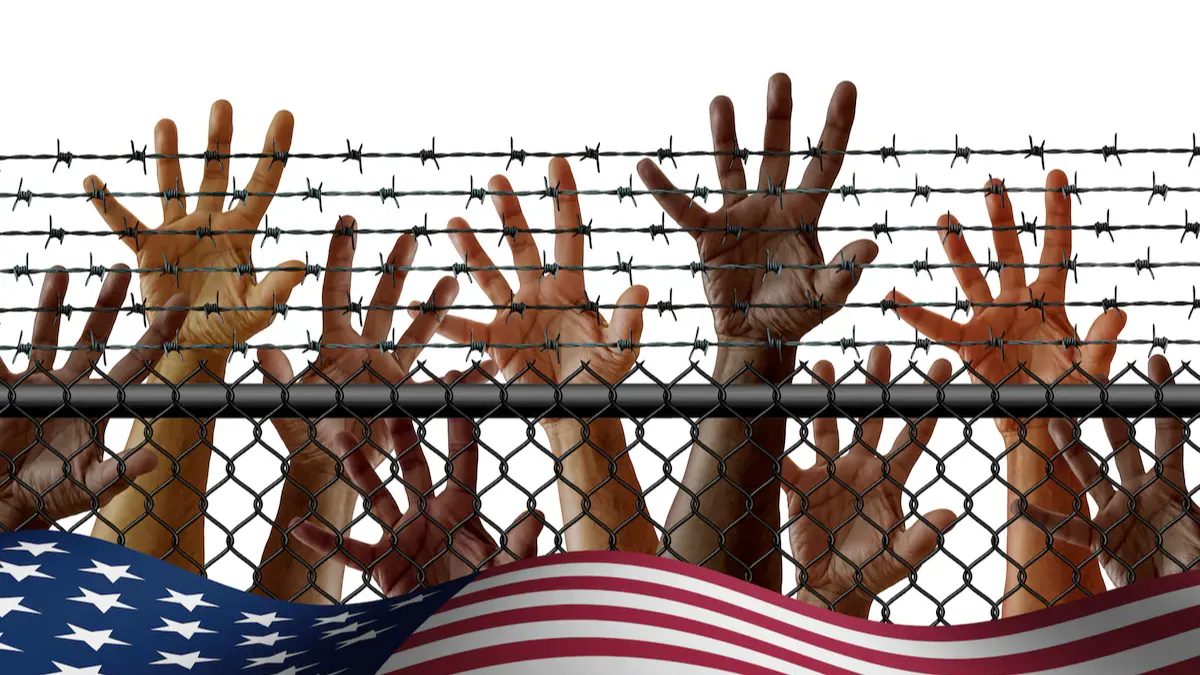
Illegal migration has re-emerged as a defining issue in U.S. politics, heightening tensions between Democrats and Republicans as the election approaches. Disputes over the Mexican border, new Texas measures, and Donald Trump’s pledge of large scale deportations underline a deep national divide. These conflicts increasingly shape campaign strategies and public debate. As November nears, migration stands out as a decisive factor influencing the race.
For republican lawmakers, mass immigration has become a threat to the United States
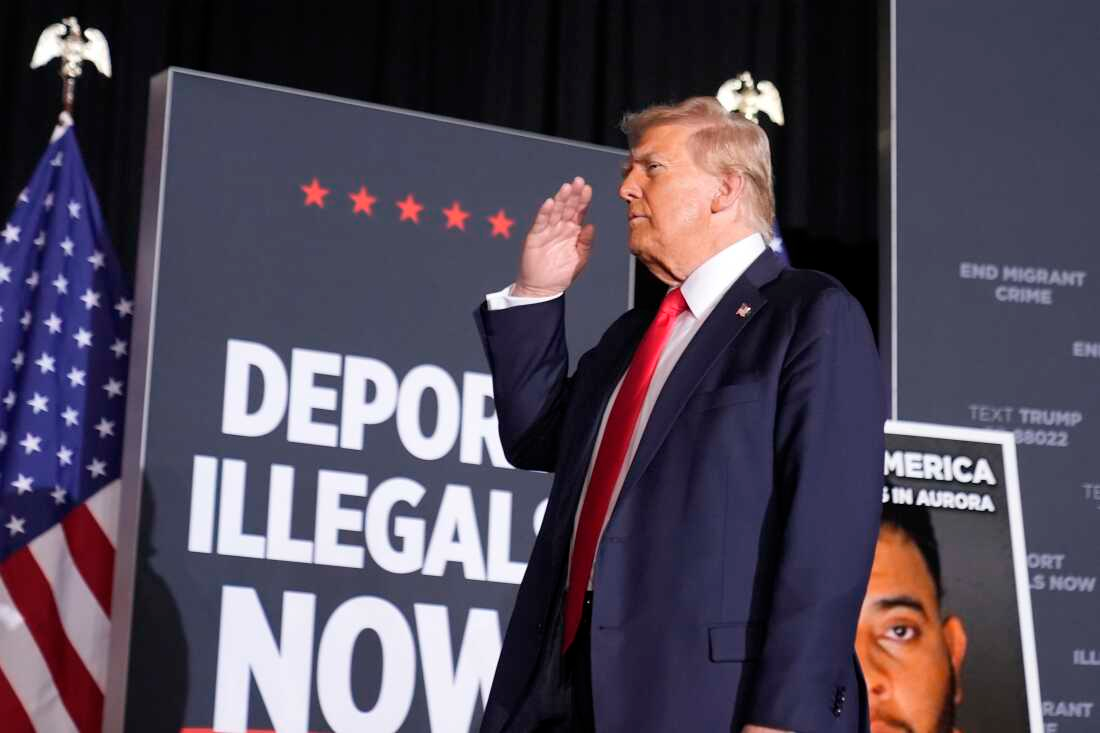
Republicans now argue that Illegal migration represents a major national threat.
Moreover, they view mass immigration as more urgent than many other priorities, even counterterrorism.
They claim the current system weakens American security and strains the economy.
In addition, they believe it harms the country’s cultural foundations.
Therefore, this stance shapes their political messaging.
Yet, public concern over Illegal migration and the arrival of refugees has eased in recent years.
However, Americans remain divided on immigration policies.
Some support current or higher levels of legal immigration, while others demand stricter limits.
This division highlights the nation’s deep polarization.
Consequently, it reinforces the Republican narrative framing immigration as a major threat to the country’s future.
Lawyers for the state have criticized a federal immigrant detention center in Chicago suburbs for inhumane conditions. Moreover, protests against Illegal migration enforcement at the facility have led to numerous arrests.
Protesters and reporters report that federal agents frequently used tear gas and other weapons.
In addition, these actions allegedly violated First Amendment rights.
Thus, the situation has intensified public scrutiny and debate over immigration policies.
Immigrants from the Chicago region: growing pressure at the heart of the USA
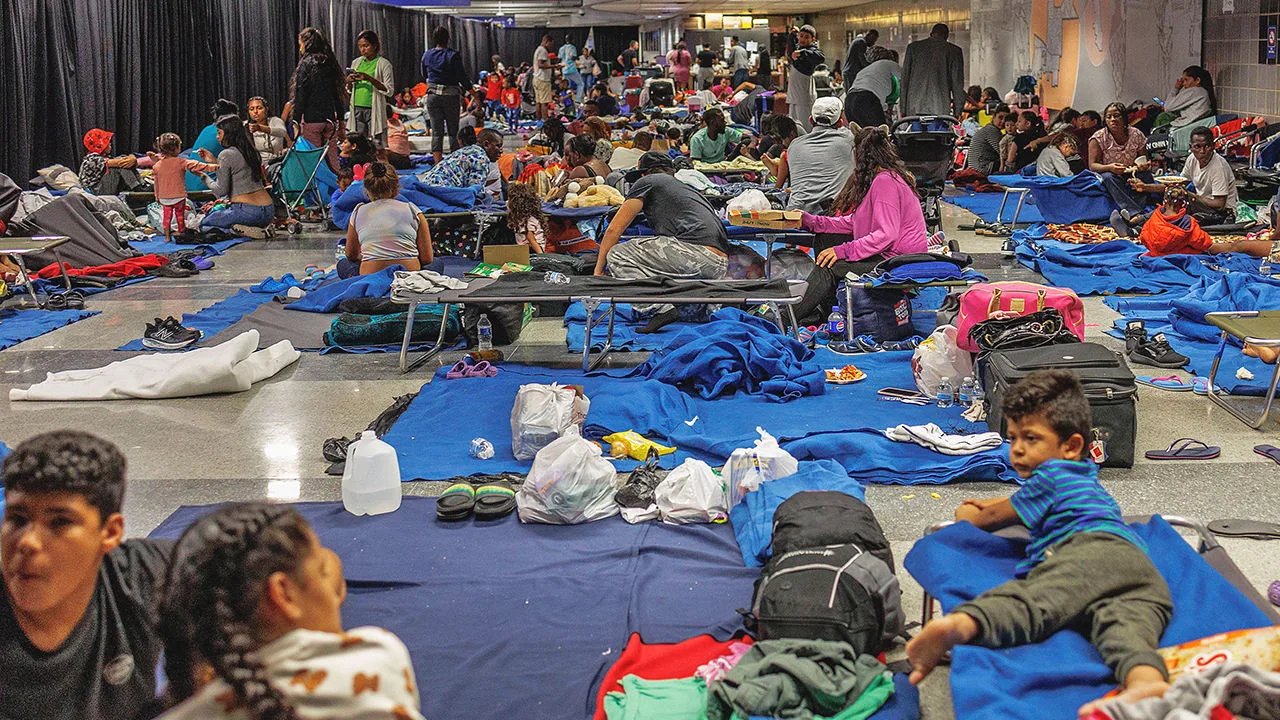
The fight against illegal immigration in the USA is intensifying. The Chicago area is now a major hotspot of tension between federal authorities, local leaders, and immigrant communities. The government treats this issue like a “state of war,” using alarmist rhetoric, stronger police actions, and attempts at militarization. It describes the situation as an “invasion” of foreign criminals.
Nevertheless, efforts to address Illegal migration have encountered a significant setback.
Specifically, a federal appeals court in Illinois blocked the National Guard’s deployment in Chicago and nearby areas. This ruling demonstrates the legal limits of government action on immigration.
Moreover, it raises questions about the effectiveness of current enforcement strategies.
Consequently, the decision has intensified the debate over immigration policy and public safety.
On the ground, Illegal migration enforcement operations are increasing.
Moreover, large-scale raids often occur at night. Federal agents go door-to-door, wake residents, and detain both adults and children. In some cases, even individuals with legal status are arrested.
According to ICIRR, these tactics create an unprecedented climate of fear in affected communities.
These aggressive tactics related to Illegal migration further widen the gap between authorities and local residents. Moreover, they raise serious concerns about immigrants’ basic rights.
Chicago, with 2.7 million residents, can no longer handle the pressure.
In addition, its suburbs face increasing arrests and inspections.
This situation shows that the challenges of immigration enforcement extend well beyond the city center.
Irregular migration: a major driver of political division in the United States
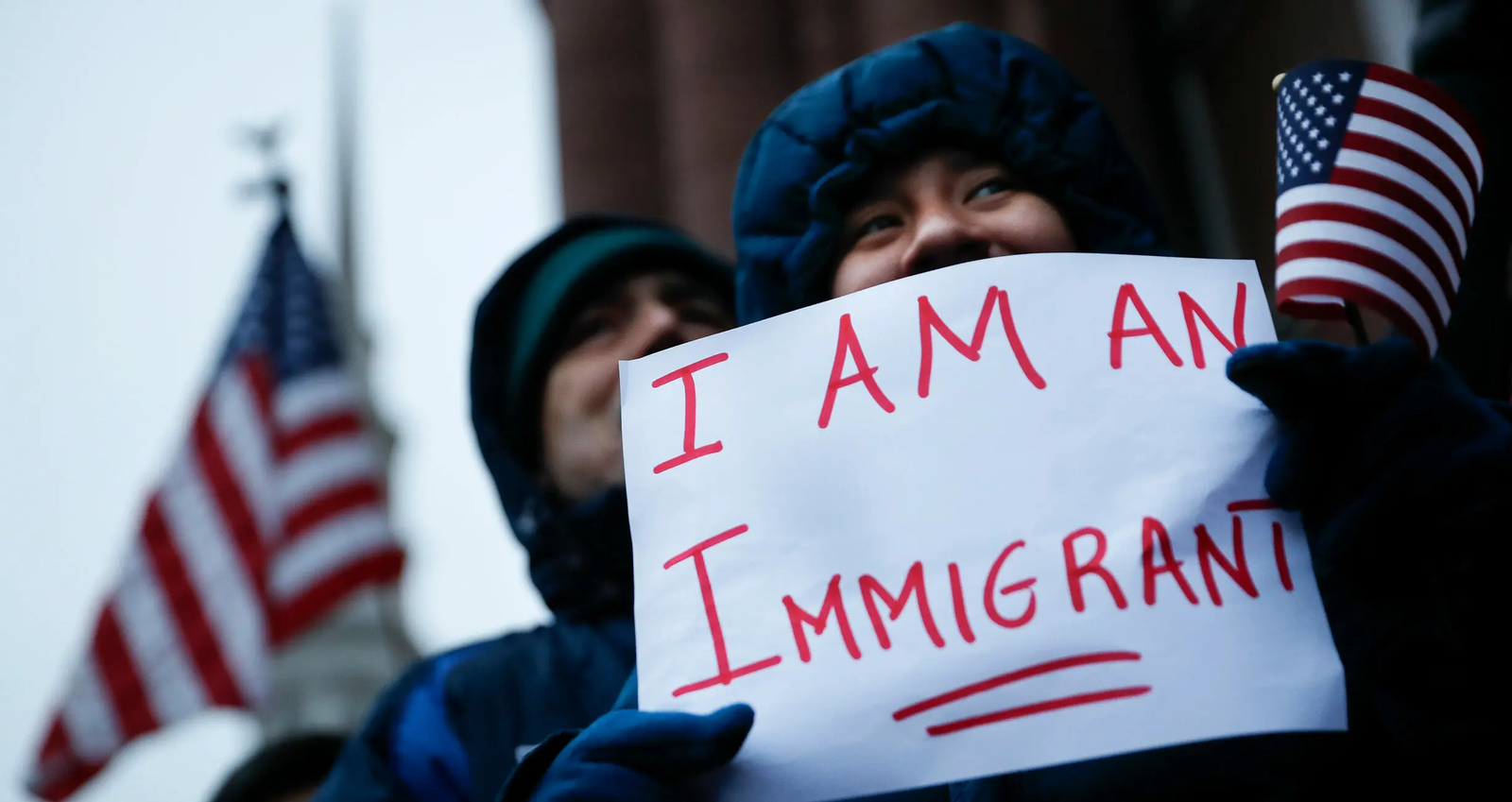
Illegal migration has emerged as one of the most contentious issues in American public debate.
Moreover, it intensifies deep divisions among political leaders, parties, and voters.
The topic dominates discussions on national security, the economy, and social policy.
In addition, it often shapes campaign strategies and media coverage.
Consequently, debates over immigration continue to fuel polarization across the United States.
As debates escalate, Illegal migration remains a key issue in U.S. electoral campaigns and political decisions.
Furthermore, understanding its history and current trends is crucial for analyzing policy impacts.
In addition, examining future implications helps reveal its long-term significance.
Therefore, the topic continues to shape public opinion and political strategies.
Ultimately, Illegal migration will remain central to the American political landscape for years ahead.
The political struggle over Illegal migration continues to divide the United States.
Moreover, immigrants remain central to debates on security, the economy, and elections.
As positions harden, the future of immigration policy will depend on upcoming decisions.
Ultimately, Illegal migration will continue to shape the nation’s political landscape.
About The Author