What are the main causes of the 2025 U.S. debt crisis ?
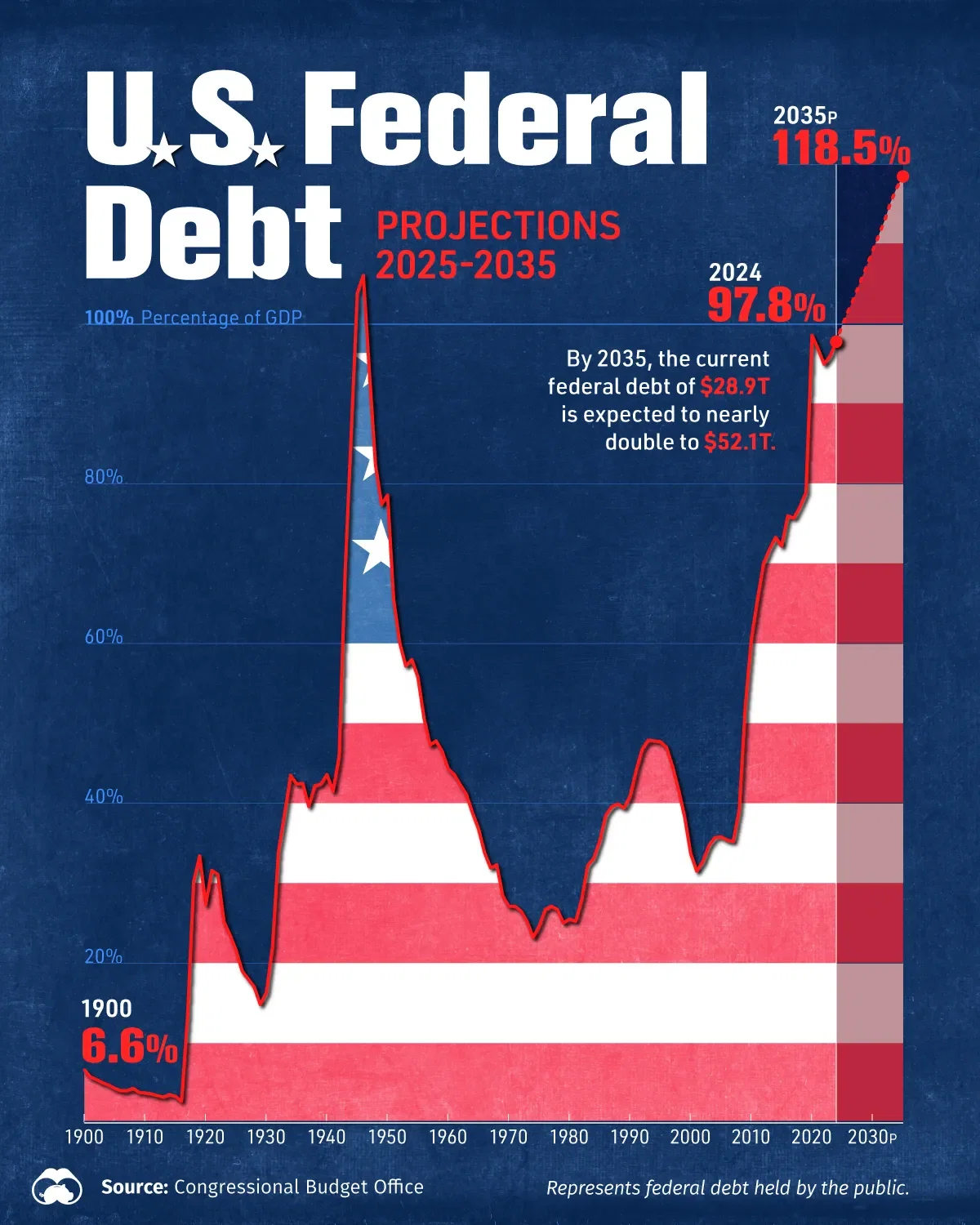
The 2025 U.S. debt crisis results from a combination of economic and political factors that have intensified over the years. One major cause is the continuous accumulation of budget deficits, driven by high public spending on defense, social programs, and stimulus measures adopted after several economic disruptions. This long-term trajectory has pushed federal debt to record levels, making government financing increasingly costly and complex.
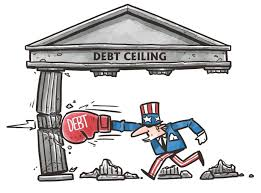
Political tensions in Congress add to the problem. Debates over raising the debt ceiling frequently lead to institutional deadlocks that generate uncertainty. This lack of consensus undermines investor confidence, pushing interest rates higher as the perceived lending risk increases. Finally, the global economic context—marked by fluctuating inflation and slower growth—further exposes the country’s financial vulnerabilities. These combined elements explain why the crisis escalated in 2025 and why it has become a major source of global concern.

How does the 2025 U.S. debt crisis affect global markets?
The impact of the 2025 U.S. debt crisis extends far beyond American borders. U.S. Treasury bonds, long considered among the world’s safest investments, now face increased scrutiny. Any doubt about their stability can trigger significant market movements, as many countries, banks, and investment funds hold them. This uncertainty fuels increased volatility in stock and bond markets, with sudden fluctuations affecting asset values and corporate borrowing costs.
International trade is also affected. When markets question U.S. financial stability, the dollar can experience sharp movements, disrupting global transactions and commodity prices. Countries dependent on U.S. investments or sensitive to dollar fluctuations face direct consequences, such as slower economic growth or increased external debt. The crisis therefore impacts not only financial institutions but also exporters, importers, consumers, and the broader global economy.
What solutions are being considered to reduce the risks associated with the crisis?
To mitigate the effects of the 2025 U.S. debt crisis, economists and policymakers are exploring several solutions. A first approach involves implementing ambitious budget reforms to gradually reduce deficits and stabilize the debt. This may include adjusting certain public expenditures and revising fiscal policies to increase government revenue. However, such measures require strong political consensus—something particularly difficult in the current climate.
Improved coordination between U.S. financial institutions and their international partners could also help reassure markets. Transparent communication about budgetary decisions, clear economic objectives, and cooperation with foreign central banks can contribute to a more stable environment. Finally, some experts argue for targeted actions to support domestic economic growth, as a stronger economy makes debt repayment more manageable. If implemented promptly and effectively, these measures could reduce the risk of a global financial crisis and restore investor confidence.
About The Author