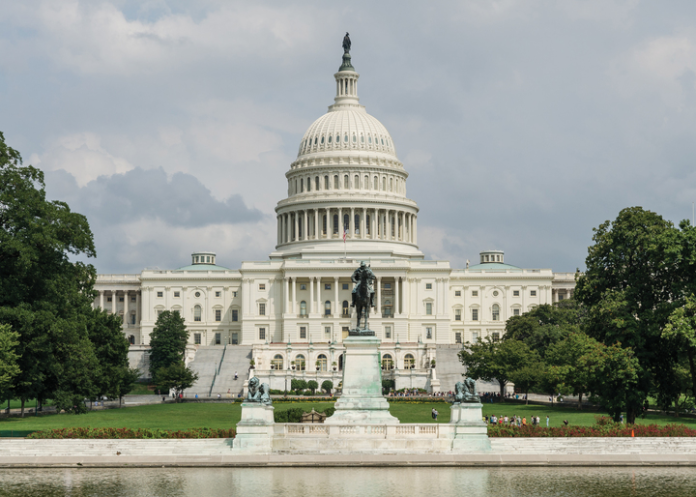
The US Congressional Deadlock 2025 has reached unprecedented levels. Lawmakers in Washington face record federal borrowing, rising interest costs, and competing demands for social programs. Inflation remains above the Federal Reserve’s 2% target, complicating efforts to stimulate economic growth while controlling the deficit. The deadlock highlights a deeply polarized Congress struggling to balance fiscal responsibility with public expectations.
Record Borrowing and Economic Pressure in US Congressional Deadlock 2025
September 2025 saw federal borrowing reach $25 billion for the month, the highest in more than five years. The US Congressional Deadlock 2025 exacerbates concerns over long-term fiscal sustainability. Rising debt service costs, combined with persistent inflation, put additional pressure on the federal budget. Policymakers must decide between increasing taxes, reducing spending, or allowing deficits to expand, each option fraught with political and economic risks.
Partisan Politics and Policy Challenges During US Congressional Deadlock 2025
Partisan divisions are central to the US Congressional Deadlock 2025. Lawmakers struggle to pass a budget that satisfies both parties while protecting core social programs. Promises made during election campaigns such as avoiding tax hikes or expanding healthcare may need revision. The inability to compromise has already delayed key infrastructure projects and threatened public services, eroding confidence in government efficiency.
Debt Management and Future Outlook Amid US Congressional Deadlock 2025
Economists warn that the US Congressional Deadlock 2025 could have long-term effects on economic growth. Prolonged gridlock risks higher borrowing costs, lower investor confidence, and slower recovery from inflationary pressures. Solutions could involve spending cuts, tax reforms, or careful deficit management, but each path is politically sensitive. Resolving the deadlock is critical to restoring market stability and ensuring sustainable public finances.
National Implications and Market Reactions of US Congressional Deadlock 2025
The US Congressional Deadlock 2025 has drawn international attention. Global investors monitor US debt and fiscal policy closely. Prolonged political impasse could weaken the US dollar, increase bond market volatility, and undermine the nation’s economic leadership. Analysts stress that timely compromise is essential to maintain the credibility of federal governance and preserve both domestic and international confidence.
Lessons from US Congressional Deadlock 2025
The US Congressional Deadlock 2025 underscores the challenges of governing in a polarized political environment. Without decisive action, the deadlock could compromise federal finances, slow economic growth, and erode public trust in government institutions. Resolving budgetary disputes through cooperation is crucial to ensure stability and maintain the United States’ position as a global economic leader.