Donal Trump has pardoned Dan Wilson, a rioter for the January 6, 2021, Capitol incident, for the second time. Wilson was still in prison for possession of illegal firearms. This has raised considerable controversy across the nation given that Wilson is a member of the ultra-right Oaths Keepers militia and was one of the last to still be incarcerated from the Capitol incident, having neither been released nor offered a pardon in the first wave last year. The complete pardon is intended to stop Wilson’s incarceration and reflects the president’s pardon power.
Who is Dan Wilson and why was he pardoned

Dan Wilson is a member of the Oaths Keepers, a far-right group involved in the January 6, 2021, Capitol attack. On that day, he rushed the Capitol wearing a gas mask. He joined the attempt to stop the certification of Joe Biden’s victory. He was sentenced to five years in prison and was initially set to be released in 2028. Donald Trump first issued a presidential pardon on January 20, 2025, during his inauguration. However, that pardon did not cover Wilson’s firearms conviction, so he remained in prison. Recently, Donald Trump issued a second pardon. It granted Dan Wilson full and unconditional freedom, according to the decree reviewed by Agence France-Presse. This latest pardon underscores Donald Trump’s continued use of clemency powers. It also highlights his influence on legal proceedings related to the Capitol attack.
Legal reasons behind the full pardon
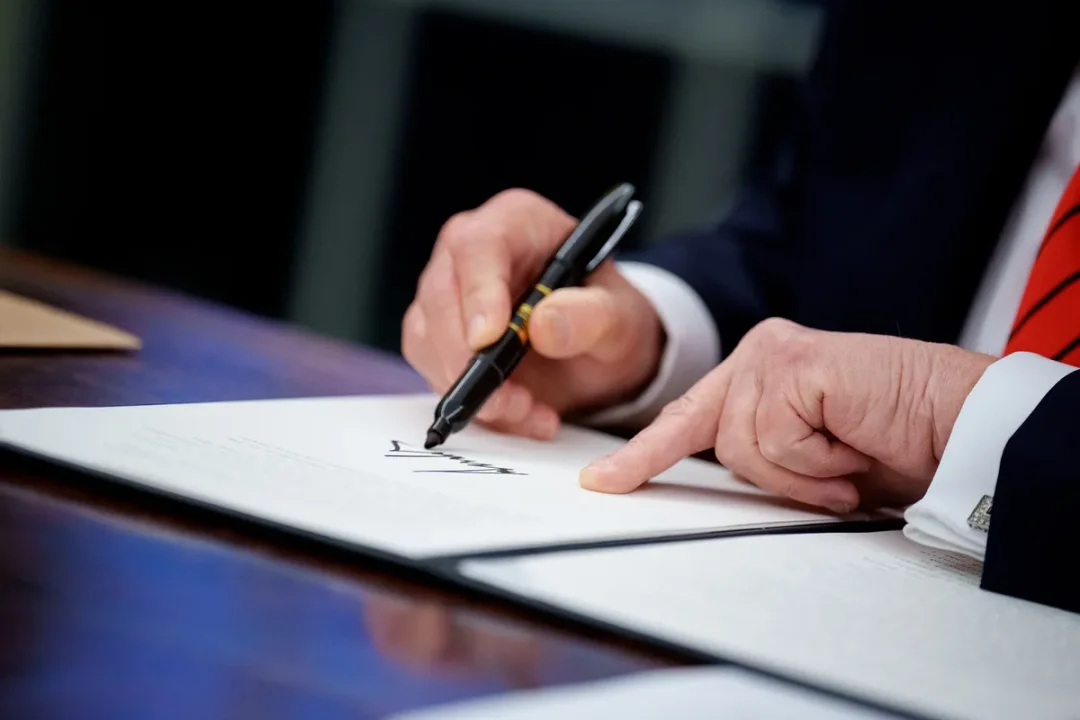
The pardon that Donald Trump granted is “full and unconditional,” according to Dan Wilson’s lawyers. It restored his freedom after more than seven months of incarceration. Initially, the Department of Justice stated that Donald Trump’s pardon did not cover the firearms conviction. They argued it was not directly related to his January 6 offenses. After reexamining the files, the department decided that weapons offenses discovered during the riot investigation would also be included in Donald Trump’s presidential pardon. This highlights Donald Trump’s strategic use of clemency and his influence on post-riot legal outcomes.
Reactions and controversy around the decision
Donald Trump’s choice to pardon one of the Capitol rioters has elicited varying responses. For his advocates, this is a display of clemency that corrects judicial overreach and restores liberty. For opponents, it grants immunity to the January 6 rioters. They argue it sends the wrong message about the seriousness of the offenses. Donald Trump has repeatedly described the January 6 insurrection as a “day of love” and an “overflow of affection” directed toward him. This has drawn criticism regarding his judgment and approach to clemency.
Consequences for Dan Wilson and the political climate

With this pardon, Dan Wilson is free and can reunited with family after having been locked up for months. However, this decision comes at a politically charged time and is part of an ongoing discussion about Donald Trump’s role in the crisis of January 6, 2021. It brings renewed scrutiny about the rioters’ accountability and the use of clemency, and there are already pronounced divides in the United States between Trump supporters and people opposed to Trump. The act remains both symbolic and public.
Dan Wilson now has full freedom with this pardon, and he can reunite with his family after months of confinement. But this choice is at a moment of political tension and will fuel the ongoing conversations about Donald Trump’s actions during the events of January 6, 2021. It raises the question of the rioters’ blame for their actions, which is a clemency issue, and evokes the pervasive schism in the United States between Trump supporters and opponents. The action remains symbolic and largely publicized.
About The Author