Key electoral The 2025 local elections are shaping up to be decisive for major American cities. Amid economic pressures, social challenges, and rapid urban transformations, the electoral issues are becoming a true barometer of citizen priorities. Metropolitan areas, already facing structural tensions, see this election as a pivotal moment to redefine their political direction.
Urban Challenges That Reshape Political Priorities
Major American cities face deep transformations that now reshape local political priorities. Housing pressure grows fast, and rents continue to rise. Affordable homes remain limited, and the middle class feels increasing strain. This crisis fuels intense public debate across urban areas. At the same time, aging infrastructure adds more tension. Roads degrade, transit networks weaken, and public services struggle to meet demand. These structural issues combine with a clear rise in urban violence. Social inequalities and limited investment in key neighborhoods also worsen this trend.
As a result, these crises demand strong political reflection. Candidates must now offer credible and ambitious solutions. Electoral issues mirror citizen expectations, including transparency, responsiveness, and long-term commitment. Therefore, local programs focus more on social equity, housing access, public safety, and modern infrastructure. These challenges now stand at the heart of every municipal campaign. They also shape voter choices in a decisive way.
Growing Pressure on Mayors and City Councils

In many large cities, mayors and city councils face unprecedented pressure. Citizens feel frustrated after chaotic responses to recent crises. The pandemic, inflation, economic slowdown, and rising insecurity fuel this distrust. Surveys show a sharp decline in confidence toward local leaders. Residents now expect concrete and measurable action. They also want visible results in daily life.
Local governance becomes a central issue because cities manage essential sectors. Transportation, urban planning, clean energy, water systems, and infrastructure upgrades require strong leadership. Moreover, rapid technological growth increases expectations. AI and digital services push cities to reinvent public administration. As a result, electoral issues gain strategic importance. They reveal both urban tensions and the need for leaders who can anticipate new crises.
Campaigns for 2025 highlight this rising demand. Voters seek leaders who restore order, improve neighborhoods, and rebuild trust in urban life.
Civic Engagement and Social Divides in the Electoral Debate
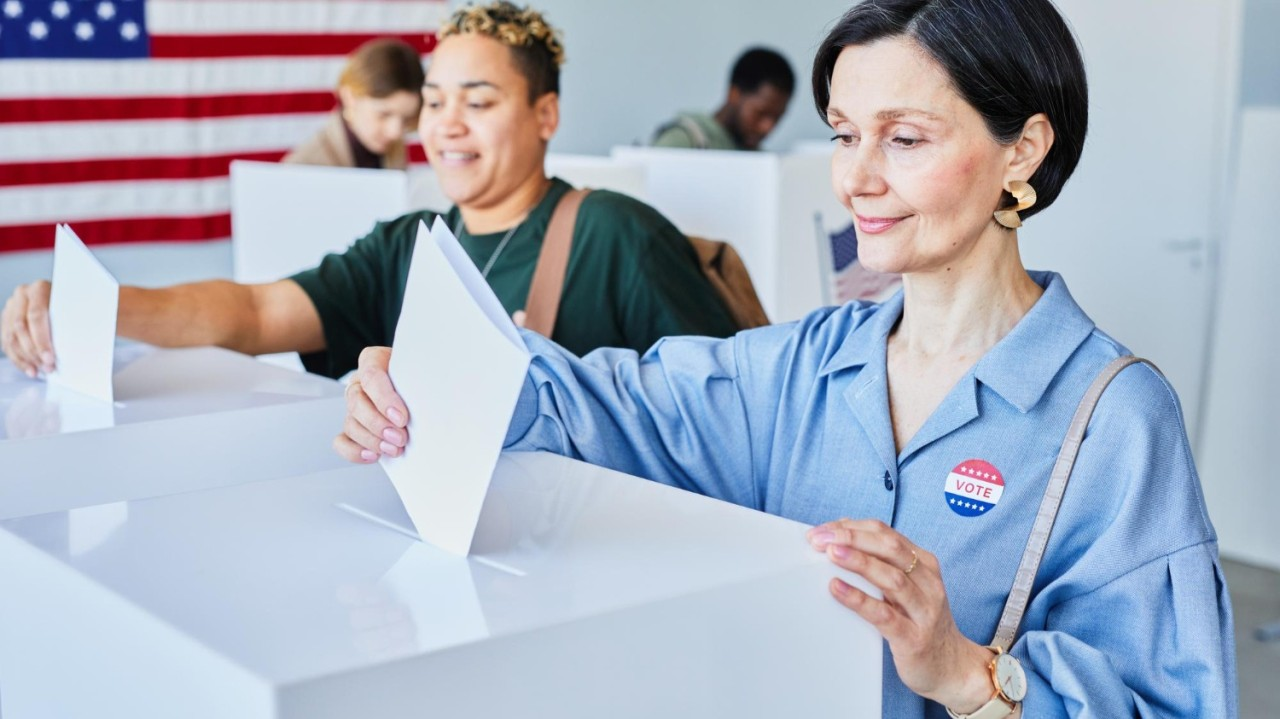
Civic engagement stands among the main challenges of the 2025 local elections. Turnout remains low in many large cities. This trend exposes a strong divide between institutions and residents. Low-income households, young adults, and several minority groups vote less often. Their absence does not reflect lack of interest. Instead, they face structural barriers such as limited access to information, demanding work schedules, or distrust toward public institutions. Some also feel excluded from political debate.
Consequently, this situation weakens the legitimacy of municipal decisions. It also deepens territorial inequality. Candidates now try to reshape their communication strategies. They multiply neighborhood visits, digital tools, and public consultations. Their goal is to reconnect with voters who feel ignored or disappointed.
Electoral issues therefore take on a new dimension. Democratic inclusion becomes a central theme. Restoring trust requires visible action, clearer governance, and policies that improve daily life. If candidates manage to reach these key groups, they may revive civic participation and strengthen local democracy
The 2025 local elections mark a turning point for major American cities. Facing urban challenges and growing citizen pressure, this vote will determine future priorities. Electoral issues will play a central role, reflecting the profound shift in expectations across a rapidly changing urban landscape