
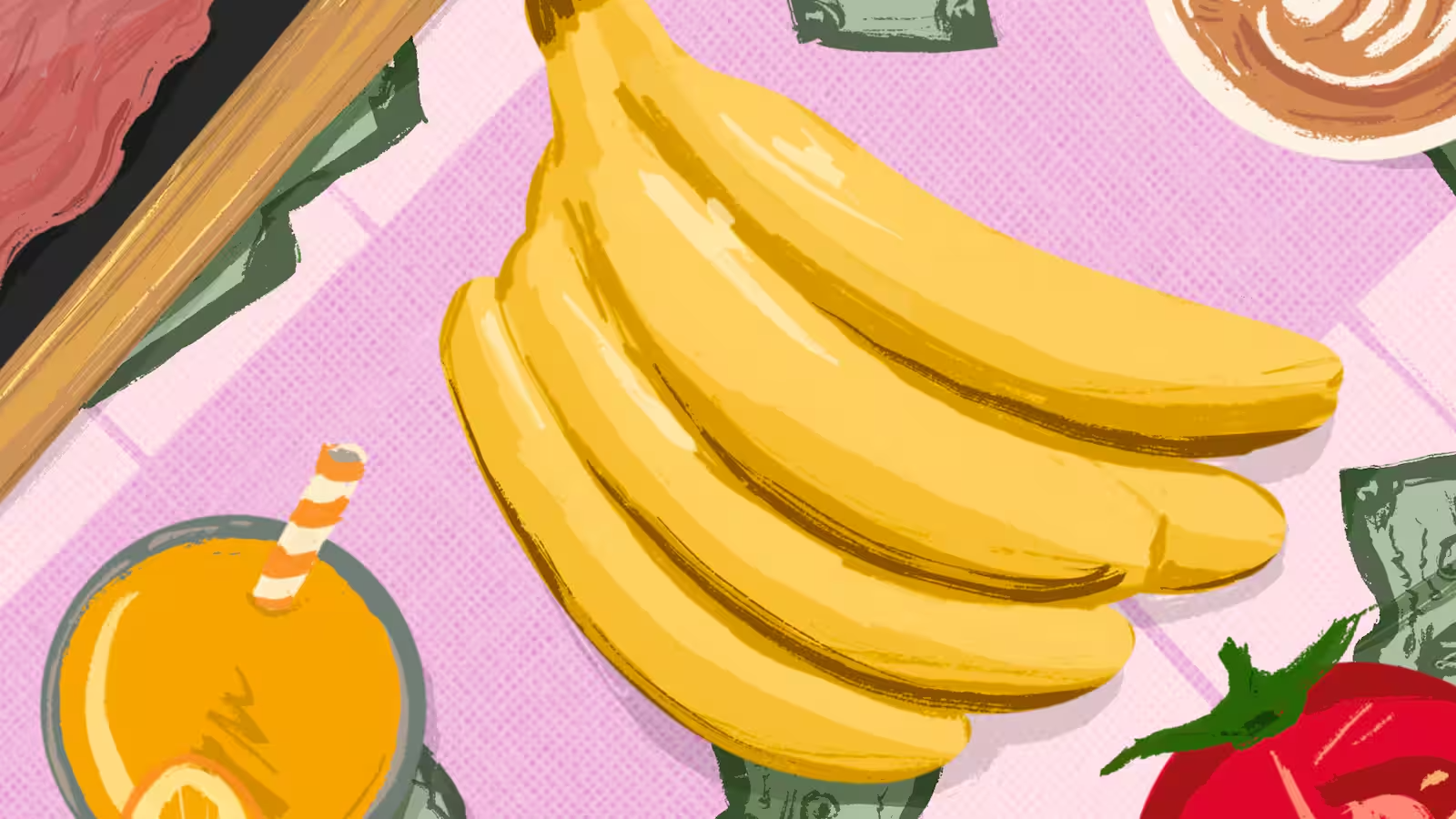
Food prices are rising fast across the US, and many families feel the pressure each time they visit the grocery store. The government cut tariffs on several foods, but these cuts arrived too late to slow the big increases already in place. Coffee, orange juice, bananas, and beef all cost more than before, and these higher prices continue to affect households across the country every single week.
How food prices climbed before the new tariff cuts
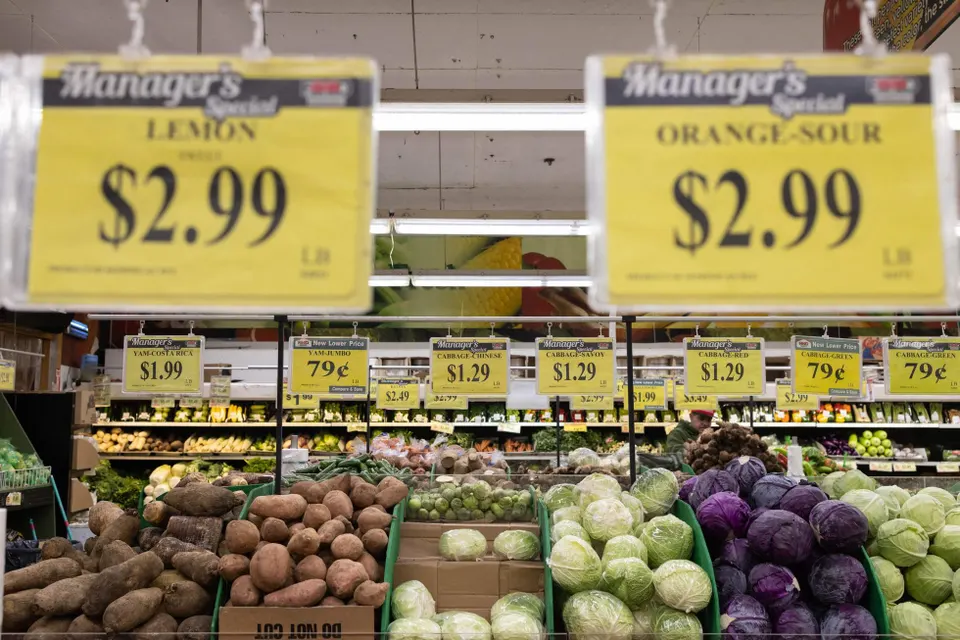
Food prices began rising months before the government cut tariffs, and this early jump explains why the latest changes cannot stop the increase right away. Several problems hit global food supplies at the same time. Bad weather damaged crops. Heat, storms, and plant diseases reduced harvests in major producing countries. When farms grow less, stores must pay more. And when stores pay more, families also pay more. Fuel costs also increased. Trucks, ships, and processing plants all use energy. When energy becomes more expensive, transporting food becomes costlier too. These extra costs move from factories to supermarkets, and then straight to shoppers. As a result, prices climb step by step.
Demand grew as well. People around the world continued buying the same foods, even when supply was low. Because of this, shortages became more serious. And when supply drops but demand stays strong, prices almost always rise. By the time the US government decided to cut tariffs on imported foods, most of these issues were already built into the market. Tariff cuts help, but they cannot undo months of rising costs. The wave had already formed long before the change was made. This is why food prices remain high today, even with lower import taxes.
Why costs remain high even after policy changes
Many Americans hoped prices would drop quickly after the new tariff decision. However, food markets do not react instantly. Importers sign large orders months in advance. They pay old prices even when new rules begin. Stores then continue selling food based on those older, more expensive contracts. So shoppers still see high prices on shelves. Delay comes from business planning. Companies must update supply schedules, shipping deals, and budgets. These changes take time. They also wait to make sure new prices are stable before lowering their own. This slow adjustment is normal in the food industry.
There is also the problem of “sticky prices.” Prices rise very fast when costs jump, but they usually fall slowly even when costs go down. Stores prefer to move carefully to avoid sudden losses, especially when the market is uncertain. Because of this, families do not see immediate relief. Finally, other essential costs, like rent and fuel, are still high. So even small increases feel bigger. Together, these factors keep food prices high, even after the government reduces tariffs.
The foods with the biggest increase in food prices this year
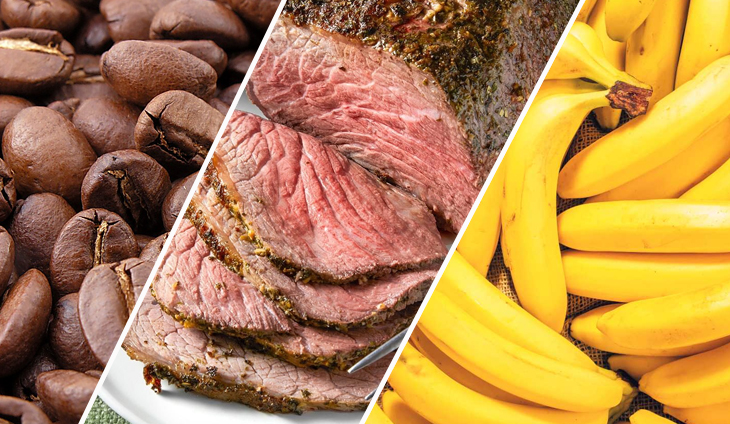
Some of the most popular foods in America saw the sharpest price jumps. Coffee rose quickly after heat waves and diseases reduced crops in major coffee countries. Since Americans drink huge amounts of coffee every day, the high demand kept pressure on prices. Orange juice also became very expensive. Florida’s orange groves suffered from storms and long-term disease. Other countries faced similar problems. With less juice available, prices increased across the country.
Bananas climbed in price too. Shipping costs rose, and storms damaged plantations in Central and South America. With lower supply and strong demand, banana prices went up in most states. Beef became even more costly. Drought reduced cattle herds in key regions. Feeding animals also became more expensive. So ranchers raised prices, and stores followed. Beef is now one of the biggest reasons families spend more at the grocery store. All these foods share the same pattern: lower supply, steady demand, and rising costs. That combination pushed food prices higher long before any tariff cuts were announced.
What may happen next for food prices
There is some hope for the future, but progress will be slow. Tariff cuts can help reduce future price increases, especially if shipping costs fall and global supply improves. If importers pay less, they may eventually charge stores less. But this process takes months. Some foods may stabilize sooner. Bananas grow and ship faster than beef, which takes years to produce. Coffee crops also need time to recover. Orange juice depends heavily on weather, which remains uncertain. So changes will not happen at the same speed for every product.
Companies will also renegotiate contracts over time. When they sign new deals at lower prices, families may finally see cheaper shelves. Until then, most stores will continue selling stock purchased at earlier, higher costs. Experts say food prices may slow down, but sharp decreases are unlikely without stronger harvests worldwide. For now, shoppers can expect a slow and uneven return to normal. Inflation in other essentials may also keep overall grocery bills high.
Food prices rose long before tariffs were cut, so they will not drop quickly. Tariff changes may help over time, but real relief depends on better harvests, lower shipping costs, and improved supply chains. For now, families must wait while the market slowly adjusts. Some improvement may come, but it will not happen immediately for most households.
About The Author
