The United States has been experiencing unexpected and persistent tensions regarding gun control since the early 2000s. On one hand, federal and state measures have been adopted after long political debates. On the other, despite these legislative advances, firearm-related violence has not stabilized at acceptable levels. In fact, pressure from international organizations on the U.S. government is increasing, both on the legislative front and in humanitarian terms. These issues raise crucial questions in light of today’s political, social, and economic challenges.
Decisions Made Under Donald Trump and the Evolution of Gun Control in the United States
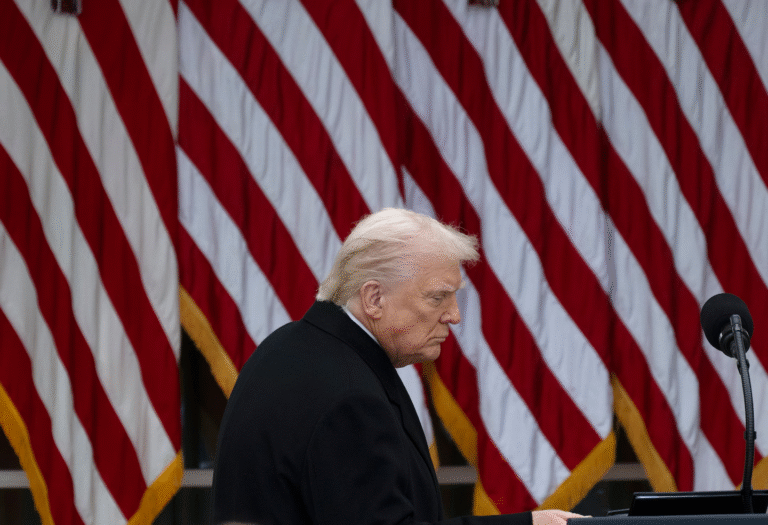
Gun control remains a major political issue in the United States, from the Trump era to the present day. Under Donald Trump, the administration generally supported gun owners’ rights, while occasionally adopting targeted measures after dramatic events. In 2018, the Trump administration banned bump stocks devices that allow semi-automatic weapons to fire in rapid succession following the Las Vegas shooting. Conversely, in 2017, Trump revoked an Obama-era rule that strengthened background checks for certain individuals with documented mental health issues, a decision strongly criticized by advocates of stricter gun control, including some who had previously aligned with certain Republican priorities.While the Trump presidency was marked by strong support for the Second Amendment, the arrival of Joe Biden ushered in a different approach. In June, President Biden and Congress passed the first major gun-safety legislation in decades. Although the law does not ban any weapons, it increases funding for school security, supports crisis-intervention programs, and encourages states to modernize their background-check systems. Several states including California, Delaware, and New York also passed their own laws to curb the spread of ghost guns and better regulate firearm sales.These reforms come amid heightened tensions: according to the Gun Violence Archive, 2022 ranks as the second deadliest year on record for mass shootings. Gun violence directly affects civilians, and places of daily life schools, markets, transportation networks have become danger zones. In a country where the gun trade remains widely permitted, the consequences are severe on both human and social levels: family devastation, lasting insecurity, rising violence, and collective trauma. As the national debate pits tradition and constitutional rights against public-safety imperatives, the policy decisions taken under Trump and then Biden highlight the depth and intensity of ongoing tensions surrounding firearms in the United States, an issue that remains central to American political discourse.
Recent Statistics on Gun Violence in the United States
The United States continues to grapple with a growing gun-violence crisis. According to the Gun Violence Archive, 2022 became the second deadliest year ever recorded for mass shootings. The country registers hundreds of firearm-related incidents each year, affecting major cities, small towns, and rural areas alike. The issue extends far beyond the high-profile events covered by national media. Most victims come from everyday shootings that rarely make headlines. Schools, hospitals, shopping centers, and public transportation have become high-risk environments where danger is now, tragically, part of daily life.
The sheer number of guns circulating within a vast, fragmented, and often poorly regulated market fuels a concerning cycle of violence. The high volume of firearms in circulation, combined with flaws in background-check systems, contributes to levels of violence far exceeding those in other developed nations. This dynamic also intensifies an increasingly polarized political debate over gun control in the United States.
The Social and Economic Impact of Gun Proliferation
Beyond statistical trends, the widespread circulation of firearms has a direct and deeply destructive impact on American society. Civilians now both victims and, at times, actors in contemporary urban conflicts bear the brunt of both mass shootings and isolated incidents. Heavy or precision weapons, initially designed for high-intensity conflict yet available on the civilian market, not only destroy bodies and lives but also devastate essential infrastructure: healthcare, education, housing, transportation, and commercial services.
Once these places become danger zones, the repercussions of gun violence extend far beyond the immediate tragedy. Families are pushed into long-term precarity due to medical expenses, loss of income, emergency relocations, and enduring psychological trauma. Local communities face declining attractiveness, struggling businesses, and weakened social cohesion in the absence of adequate institutional responses a destructive cycle.
At the national level, the economic cost of gun violence is staggering. Factoring in healthcare expenditures, police interventions, judicial costs, lost productivity, and damaged infrastructure, the toll amounts to tens of billions of dollars annually. In a country where the gun trade is only partially regulated, social consequences accumulate: insecurity, diminished trust in institutions, intergenerational trauma, and growing feelings of helplessness. Gun violence has evolved into a broad societal issue, central to the social, economic, and psychological future of a significant portion of the American population.
The United States faces a difficult dilemma in a context of escalating gun violence: balancing security, constitutional rights, and political inequalities. The tensions and effects of emerging firearm-control policies imperfect as they may be will continue to weigh heavily on society over time.