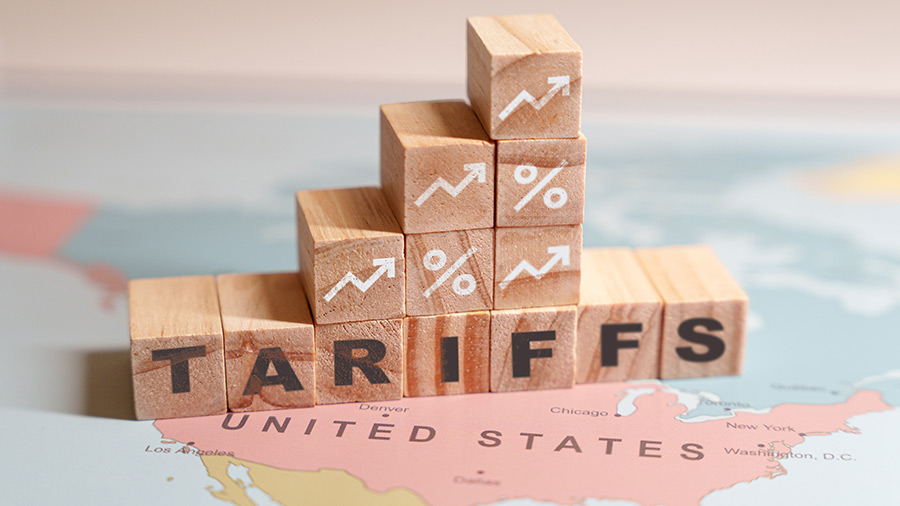
How new US tariffs are disrupting the global economy ?
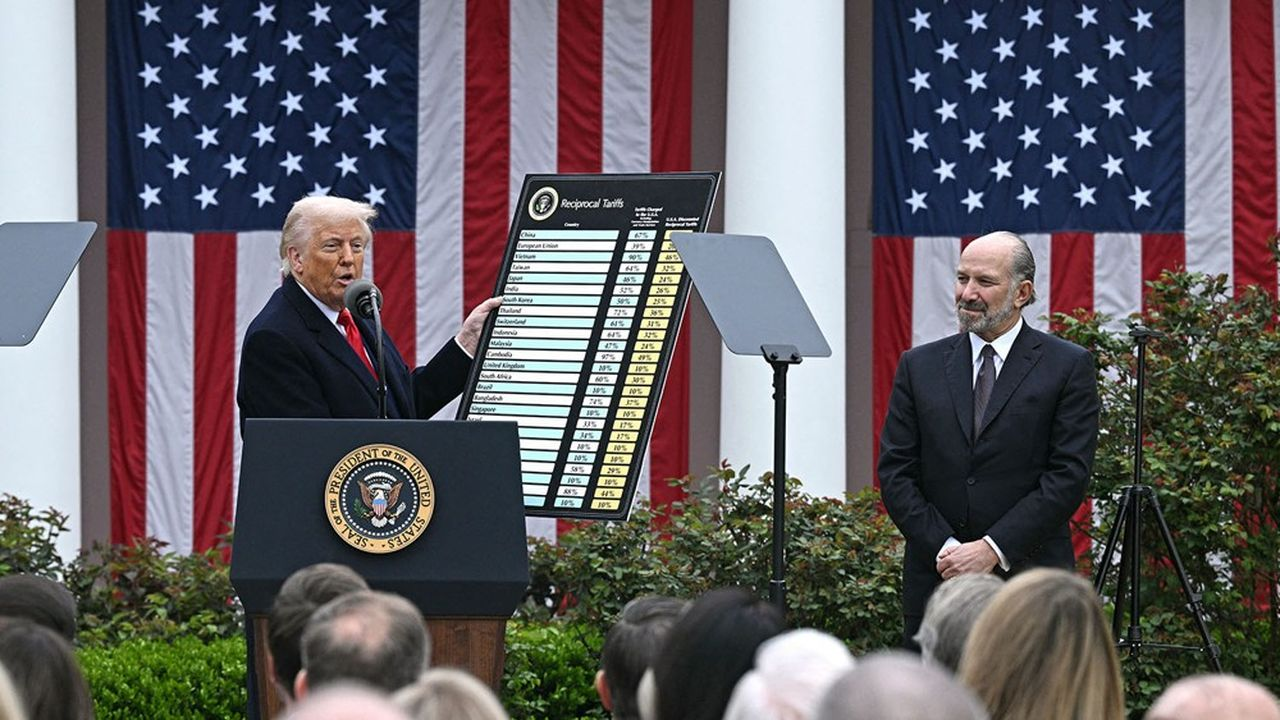
President Trump’s “Liberation Day” tariffs have drastically unsettled the stability of the global economy. President Trump proposed these protectionist tariffs on April 2, 2025, consequently generating immense uncertainty in global trade. Furthermore, economists are almost universally concerned about rising inflation and global recession. On the other hand, international trade is facing its biggest challenge in decades, with widespread disruption expected in every major economy.
Thus, smaller, open economies that rely heavily on international commerce will feel the costs of the new U.S. trade tariffs most acutely, as they remain most vulnerable to disruption. Then, larger economies in Asia, members of the BRICS bloc, may find new opportunities for trade in this environment. This pivotal moment could accelerate a historic shift; therefore, it strengthens the move toward regionalized trading systems and localized production networks worldwide, fundamentally reshaping global trade operations.
Financial markets reacted immediately to the increased risk to the economy. After the tariff announcement, yields on the U.S. 10-year Treasury rose sharply, which reflects investor anxiety. It is an indication of soaring recession expectations, and a marked erosion of faith in traditional safe-haven assets. Consequently, the Federal Reserve faces a difficult policy position, as it must now balance inflation expectations against clear recession signals.
The global trade architecture is undergoing a transformation of the largest scale in a generation. The unilateral America First policy from the Trump Administration caused countries to rethink their economic relationships. Countries, in response to this uncertainty, are actively seeking regional and multilateral cooperation in a pragmatic way. This represents a clear turning point for international economic relations, the consequences of which could shift global trade for years to come.
Which sectors are most affected by the new US tariffs?
The new US tariffs on trade serve multiple strategic purposes beyond simply generating revenue. The new policy fundamentally reworks America’s economic relationships with the outside world and reshapes its position in the global order. Moreover, it represents an intentional combination of trade protectionism with broader geopolitical and domestic political goals. The dramatic new tariffs mark a break from decades of US policy favoring trade liberalization with an associated instillation of economic nationalism.
Protecting domestic industry and rebuilding American manufacturing jobs
The administration’s overarching industrial objective is to fully restore domestic manufacturing, which has faced long-term decline in recent decades due to offshoring and automation. To achieve this, strategic tariffs on imports like steel, aluminum, and electronics aim to restrict foreign competition within key sectors. Consequently, by making imported products more expensive, the policy encourages both commercial and individual consumers to “Buy American.” Ultimately, this protectionist scheme forms the core of the broader “America First” economic model, which is intent on protecting and creating manufacturing jobs within the U.S.
Countering strategic competition and china’s technological rise
One of the main geopolitical issues is to directly oppose China’s rapid growth in critical high-technology sectors. The tariffs, in concert with other tools such as export controls, target industries such as 5G, AI, and semiconductors, where China’s dominance is seen as a threat to U.S. national security and economic leadership. This approach is intended to restrict Chinese development and innovation in key industries. Relatedly, it also promotes the “reshoring” of critical supply chains of necessary products, such as pharmaceuticals, and microchips, in order to diminish strategic reliance.
Using tariffs for political purposes and international negotiation
Apart from the economics involved, the tariffs are a useful tool for domestic political purposes and international diplomacy. They are very popular among working-class voter blocs in politically important regions in the U.S., such as the Rust Belt, who argue that free trade has hurt their prospects. Internationally, the threat of tariffs has been used to extract concessions on unrelated matters such as limiting flows of migrants and illegal drugs; and to renegotiate agreements such as the USMCA.
Addressing long-running trade deficits systematically
A nominal goal is to systematically reduce persistent US trade deficits (especially with China). The tariffs are applied uni-laterally to apply pressure to rebalance what the administration describes as “unfair” trade flows. This approach stands in clear opposition to the current model of global commerce and international trade institutions. It rests on a belief that previous multilateral solutions have not been effective and that bold actions are necessary to protect American economic interests.
US Tariffs: The hidden agenda behind the tax hike
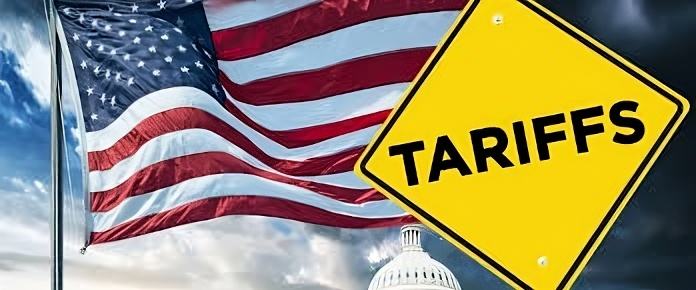
The implementation of new US trade tariffs marks a definitive pivot in American economic strategy, signaling a departure from previous approaches. These measures represent a comprehensive realignment of international commercial relationships and global trade dynamics. This strategic protectionist stance simultaneously pursues numerous geopolitical objectives and domestic political priorities. Ultimately, the administration has transformed trade policy into a potent instrument of foreign diplomacy and international negotiation.
Reviving American manufacturing through protection
These tariffs specifically target the manufacturing sector. The trade measures impose high barriers for the import of steel, aluminum, and electronics. This protection is to achieve the past decades of manufacturing decline. Globalization and automation has diminished US manufacturing jobs. The policy encourages domestic production and encourages consumption domestically. Moreover, it seeks to return supply chains to American soil.
Countering China’s economic and technological rise
The tariffs seek to mitigate strategic rivalry from China. These tariffs target high-tech industries like semiconductors and artificial intelligence. The tariffs are meant to hinder China’s technological development, extending to supply chain security. They plan to reduce both vulnerability and reliance on Chinese critical goods, including medicines and rare earth minerals.
Using economic policy for political gain
Tariffs strategically fulfill crucial domestic political agendas by appealing directly to working-class voters in key electoral states. The Rust Belt remains particularly responsive to these policies as a vital political battleground. This approach reinforces the “America First” ideology while simultaneously fueling economic nationalism across the country. Consequently, trade deficits transform into powerful political rallying cries, and trade negotiations expand to encompass broader diplomatic demands beyond mere economic concerns.
Transforming global trade unilaterally
The administration uses tariffs as a means of leverage. Trade deals become subject to scrutiny for requests to renegotiate. For example, the United States, Mexico, Canada Agreement (USMCA) replaced the North American Free Trade Agreement (NAFTA). Challenging trade access will include requests from other countries unrelated to trade itself, like immigration and drug policy issues. This is a broad shift on policy in a completely distinct area.
These new US trade tariffs represent a fundamental shift in global economic policy. This protectionist move creates both domestic opportunities and worldwide uncertainty. Markets and nations must now adapt to transformed trade relationships. The long-term impact will undoubtedly reshape supply chains and international commerce for years to come.
About The Author