The Evolution of American Music, TV Shows, and Cinema
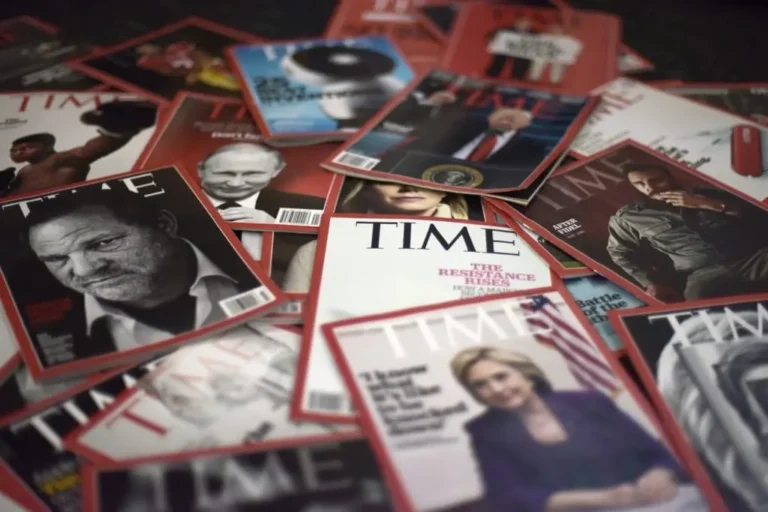
The entertainment industry in the United States has always been a cultural powerhouse, shaping trends around the world. From the golden age of Hollywood to the rise of streaming platforms, American music, television, and cinema have continually evolved. This article explores how these industries have changed over time, their impact on society, and what the future might hold for creators and audiences alike.
The Evolution of American Music
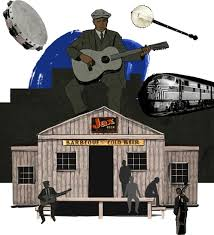
American music has undergone dramatic transformations over the decades. From jazz and rock’n’roll in the mid-20th century to hip-hop, pop, and electronic music today, each era reflects social changes and technological advancements.
The rise of streaming platforms such as Spotify and Apple Music has changed the way audiences discover and consume music. Artists now have direct access to global audiences, and independent creators can reach millions without traditional record labels. However, this shift also comes with challenges, including debates over royalties and fair compensation for musicians.
The Transformation of TV Shows
Television in the United States has evolved from network-dominated programming to a landscape dominated by streaming services like Netflix, Disney+, and HBO Max. Audiences now enjoy on-demand content, binge-watching, and high-quality original series that rival the production value of movies.
Shows increasingly explore diverse narratives, representing different ethnicities, lifestyles, and social issues. This shift reflects broader societal changes and has helped make television more inclusive. At the same time, competition among platforms has intensified, pushing creators to innovate to capture viewers’ attention.
The Changing Face of Cinema
Hollywood has long been the global center of film production. Over the decades, cinema has shifted from studio-driven classics to blockbuster franchises, independent films, and digital releases. The rise of platforms like Netflix and Amazon Prime Video has transformed film distribution, giving audiences access to movies without leaving their homes.
American cinema also reflects cultural trends and societal concerns, tackling topics from climate change to social justice. However, the industry faces challenges, including declining box office attendance and the impact of global streaming competitors.
Impact on Society and Culture
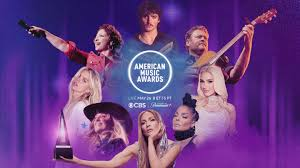
The evolution of music, TV, and cinema in the United States has a profound cultural impact. These industries not only entertain but also influence fashion, language, politics, and social norms. Music festivals, award shows, and fan conventions create communities around shared interests, while films and series can spark national and global conversations.
For creators, this landscape offers both opportunities and challenges. Digital platforms allow innovative storytelling and direct audience engagement, but they also increase competition and pressure to constantly innovate.
The Future of American Entertainment
Looking forward, American entertainment will continue to evolve with technology and societal trends. Artificial intelligence, virtual reality, and interactive storytelling are opening new possibilities for creators and audiences. Inclusivity, sustainability, and audience participation will likely shape the next era of music, television, and cinema.
For consumers, this evolution means more choices, more diverse content, and greater opportunities to engage with creators. The entertainment industry remains a dynamic reflection of American society, constantly adapting while influencing culture worldwide.
The evolution of American music, TV shows, and cinema illustrates a dynamic interplay between culture, technology, and society. While the industries face challenges such as digital competition and changing audience habits, they continue to innovate and inspire. From streaming platforms to global music trends, American entertainment remains a central force shaping culture, creativity, and social conversation.
About The Author