Amid rising geopolitical tensions, the United States has taken a decisive strategic step by reactivating a long-abandoned military base in Puerto Rico. The Roosevelt Roads Naval Base, closed since 2004 after nearly fourteen years of silence, is once again central to U.S. defense policy in the Caribbean. This resurgence comes with a massive military deployment and raises serious questions about Washington’s intentions—particularly in response to Venezuela’s maneuvers.
A Strategic Shift for the United States

The United States has made a bold return to the Caribbean stage by reopening the Roosevelt Roads Naval Base in Ceiba, Puerto Rico—a site that had remained dormant since its closure in 2004 due to budgetary and strategic shifts. Once a cornerstone of American military operations in the region, this iconic base is now being revived with renewed purpose and modern capabilities. Its reactivation is far from symbolic; it reflects a deeper recalibration of U.S. defense strategy in a region increasingly marked by uncertainty and geopolitical friction.
According to the Pentagon, Roosevelt Roads is more than just a military outpost—it’s a strategic lifeline. Positioned near South America, the base offers a critical logistical platform for surveillance missions, rapid deployments, and support operations. Fully renovated to meet the demands of contemporary warfare and intelligence gathering, it stands ready to host advanced naval and aerial units.
This military resurgence in Puerto Rico sends a clear message: the United States is not stepping back from the Caribbean. On the contrary, it’s reinforcing its commitment to regional stability and asserting its influence in an area where rival powers are gaining ground. By restoring Roosevelt Roads to full operational status, Washington is not only reviving a historic base—it’s reaffirming its readiness to confront emerging threats and safeguard its strategic interests throughout the Western Hemisphere.
An Unprecedented Show of Force
Following the reopening of Roosevelt Roads, the United States has launched an unprecedented military deployment in the region. This strategic move reaffirms its presence in the Caribbean and operational superiority amid escalating geopolitical tensions.
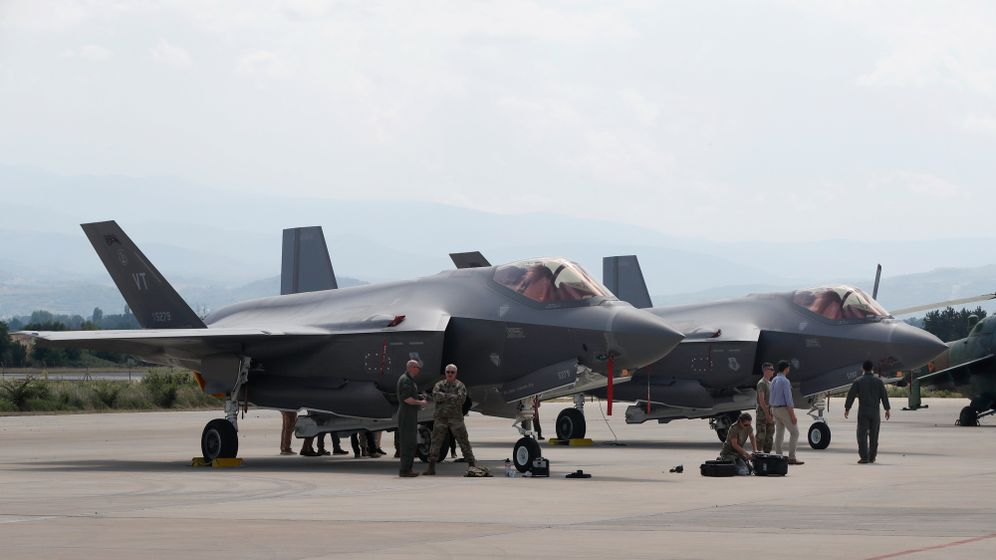
F-35 fighter jets have been stationed at the base, showcasing the technological sophistication of the U.S. military with their advanced stealth and strike capabilities. The base itself, located on American territory, serves as a clear deterrent and surveillance hub in the southern hemisphere.
Additionally, a powerful naval fleet of eight warships—including destroyers and frigates—has been positioned near the coast to secure strategic maritime routes and ensure crisis response capabilities. According to several military analysts, this is the largest deployment in the Caribbean since the Cuban Missile Crisis of 1962.
This military buildup in Puerto Rico goes beyond regional concerns. It reflects a broader U.S. power projection strategy aimed at maintaining dominance against rival actors and ensuring stability in a historically sensitive area.
A Strategic Pivot for the United States Amid Tensions with Venezuela
The U.S. decision to reactivate the Roosevelt Roads military base in Puerto Rico is not merely logistical—it’s deeply rooted in a tense geopolitical standoff with Venezuela. In recent months, Washington and Caracas have exchanged shows of force, raising fears of military escalation.
The U.S. government accuses Venezuelan President Nicolás Maduro of expanding military alliances with rival powers such as Russia and Iran, seen as direct threats to regional stability and U.S. strategic interests in the southern hemisphere. In response, Caracas has mobilized its armed forces and placed them on full operational alert.
Recommissioning the Puerto Rico base clearly signals the United States’ intent to reinforce its strategic presence in the Caribbean. In reaction to Venezuela’s growing assertiveness, this military posture represents a bold affirmation from Washington and marks a significant shift in the region’s balance of power—a turning point for American security
About The Author